AUSCHWITZ-BIRKENAU/ŽILINA
2016
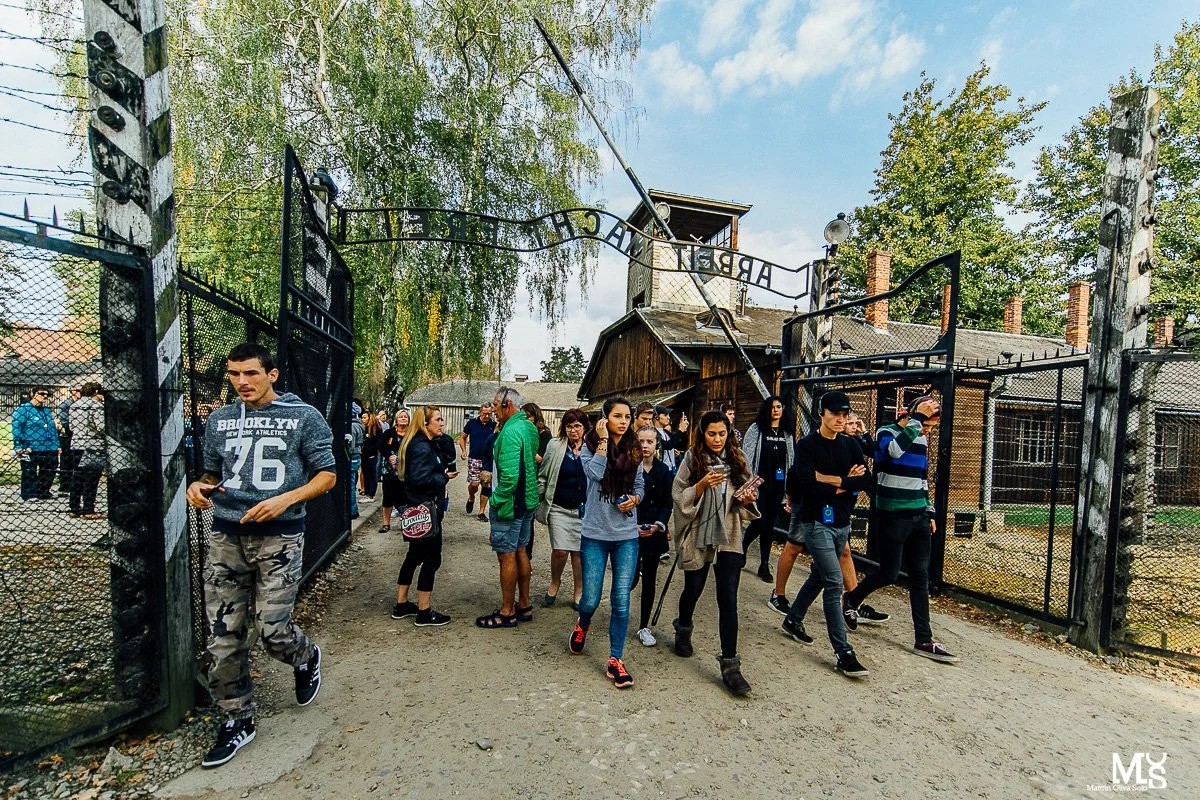
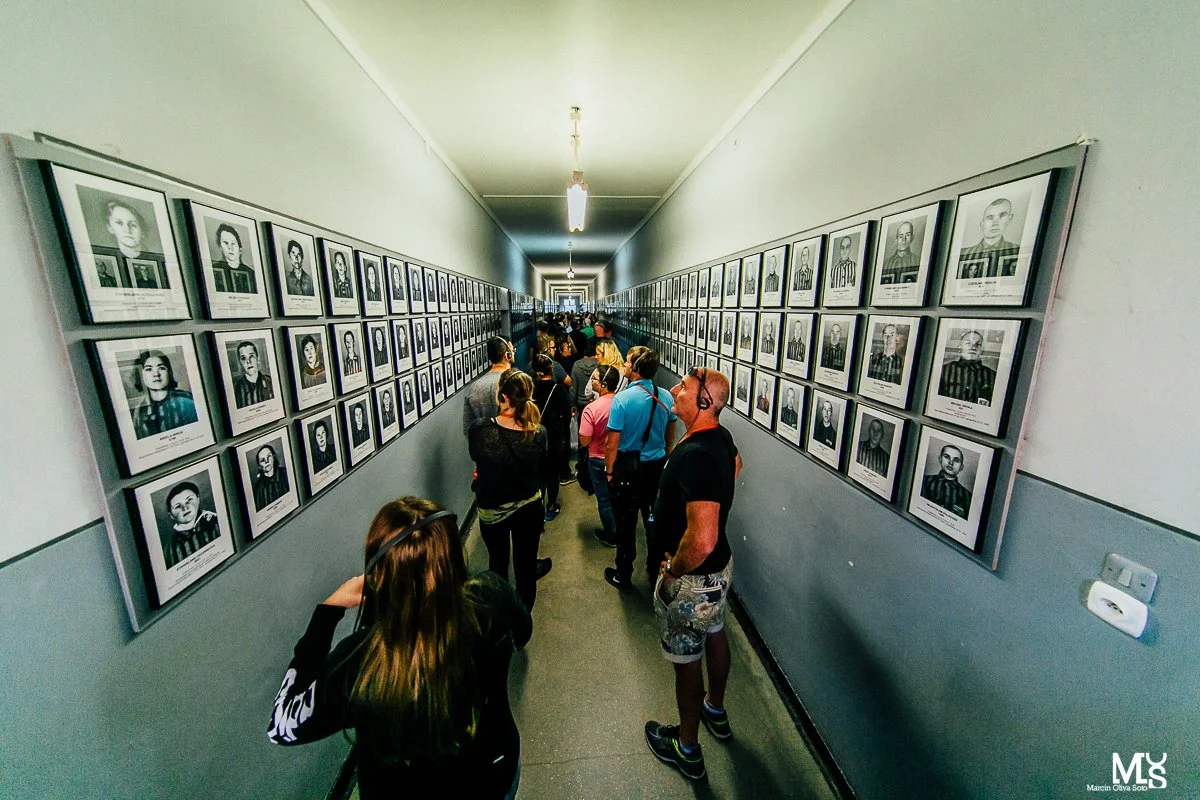
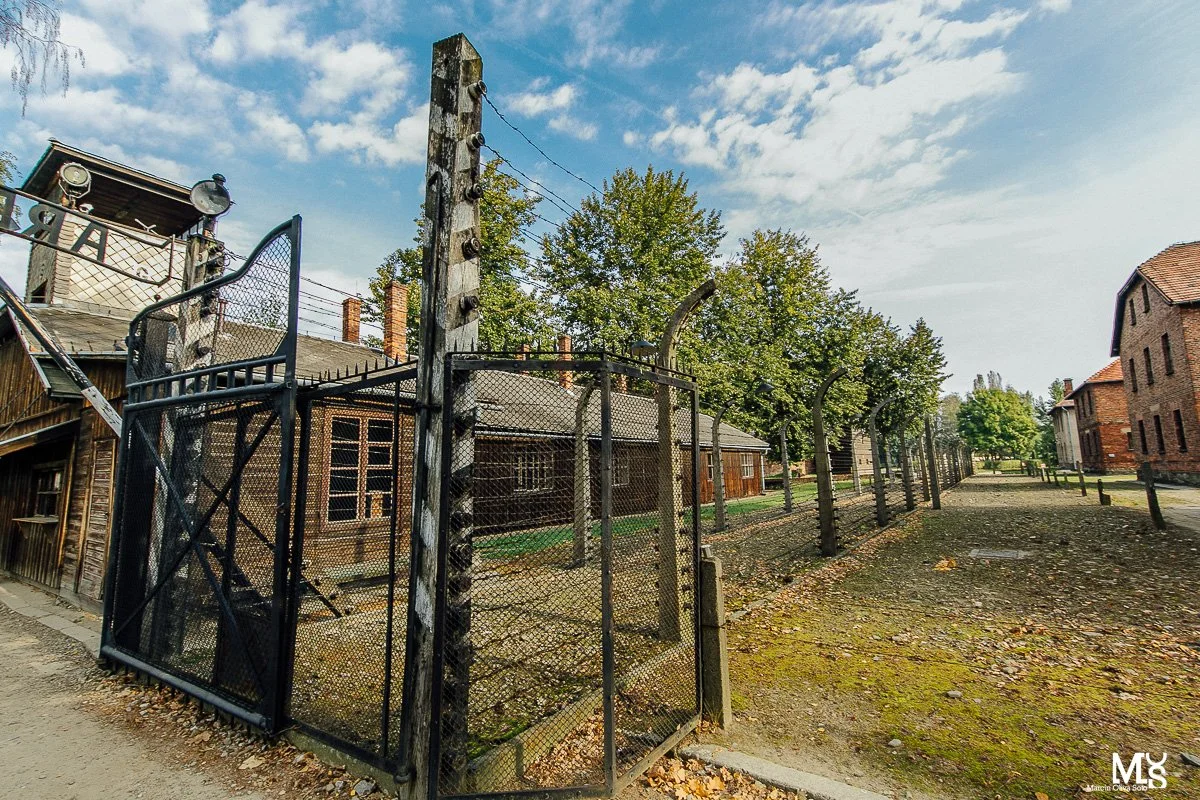
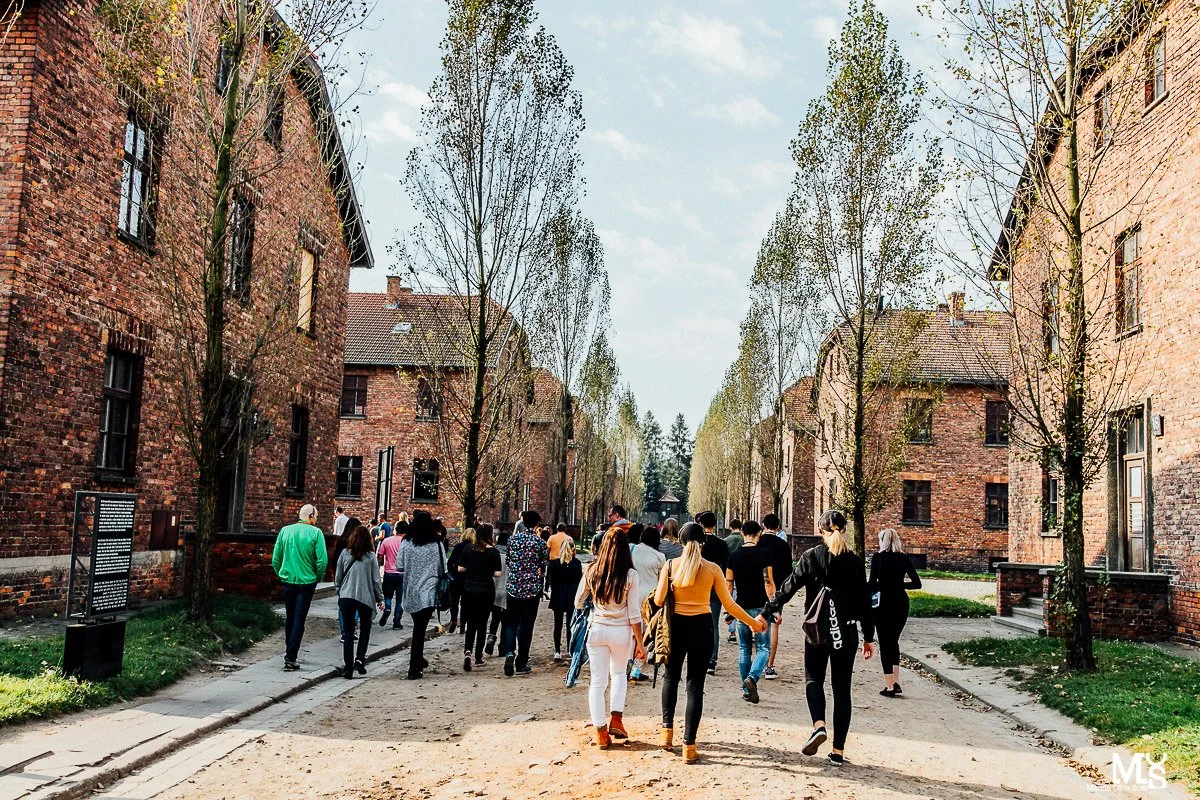
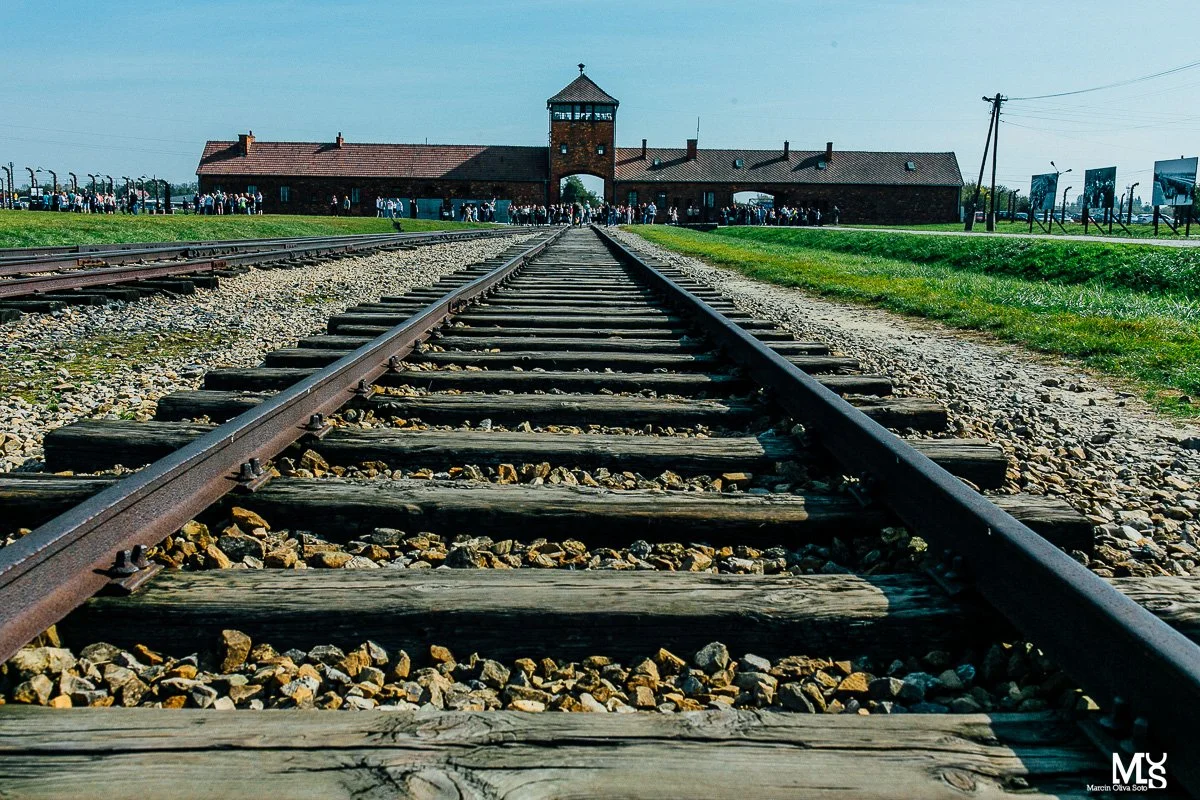
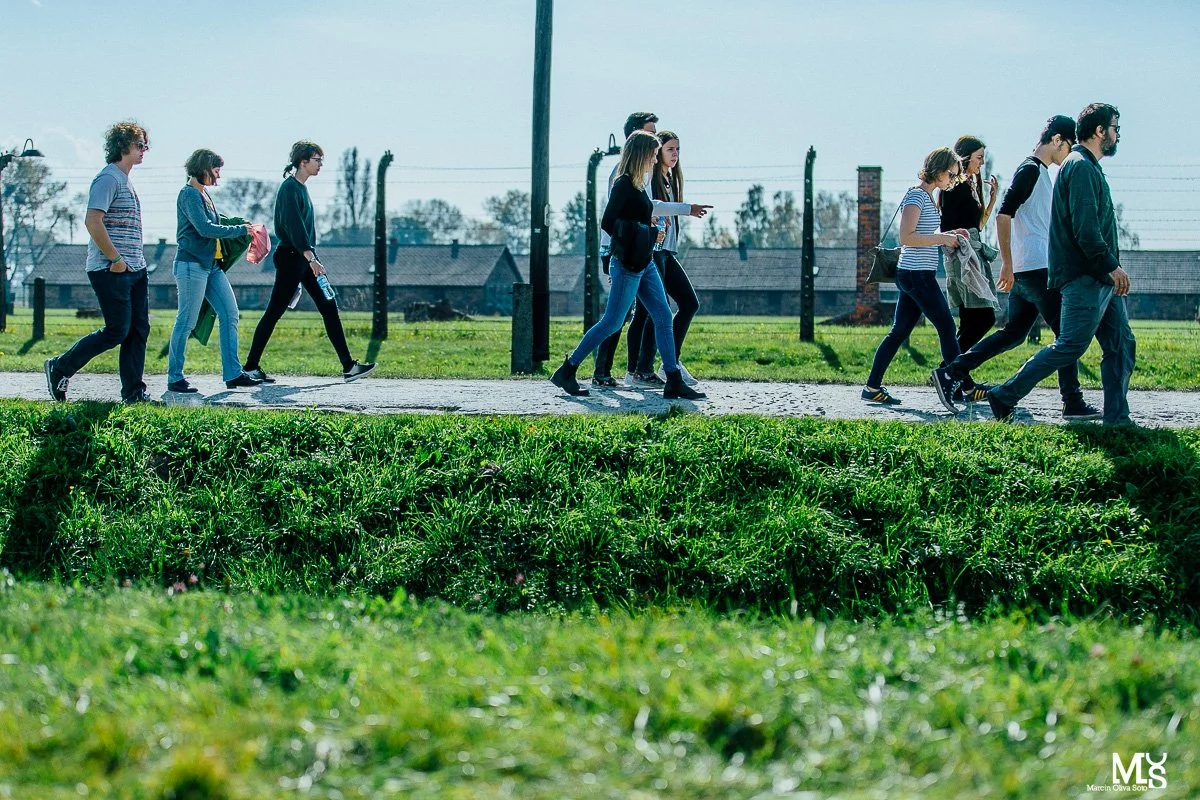
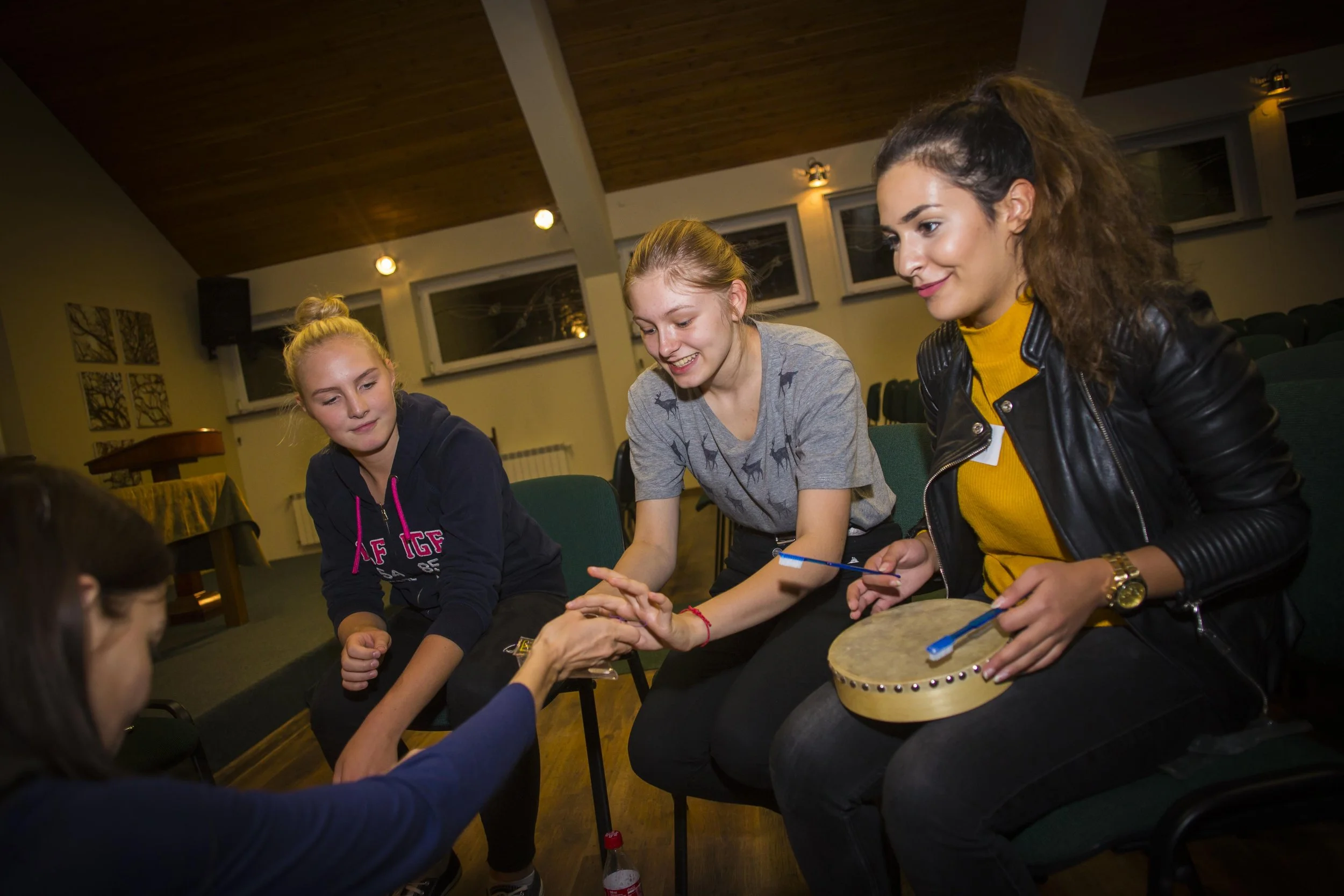
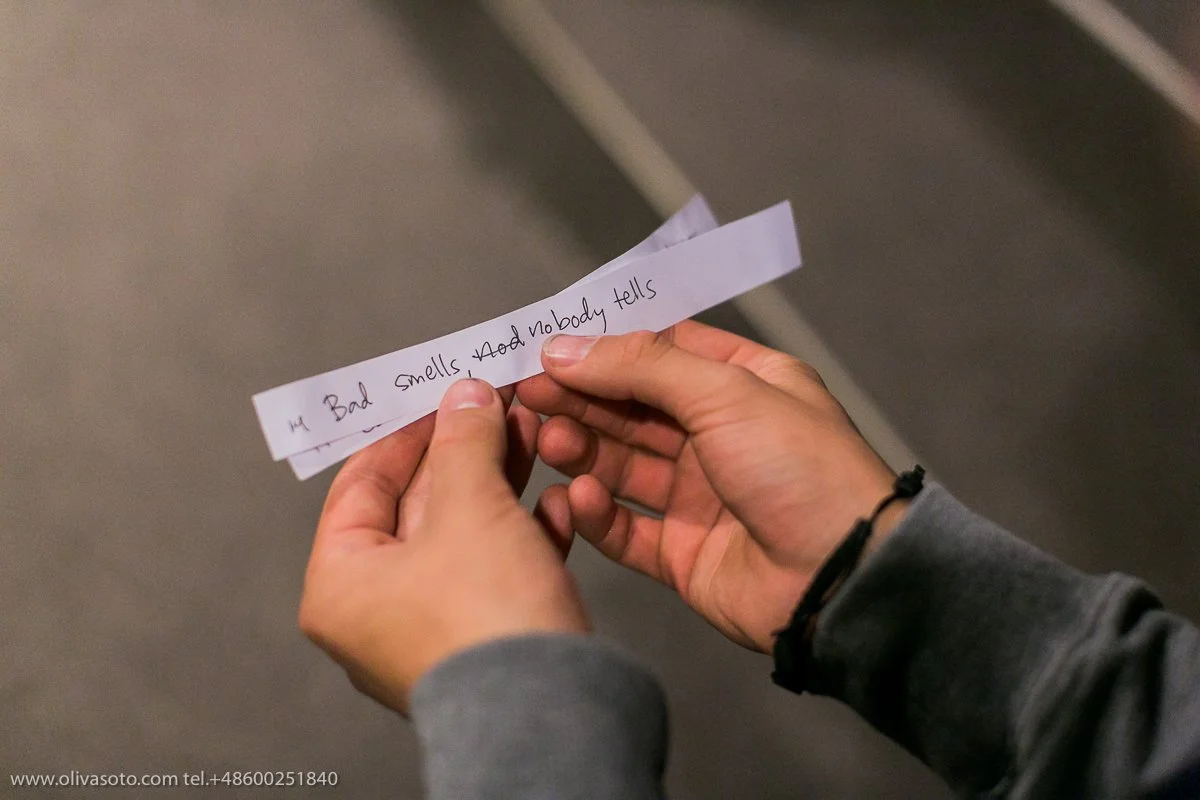
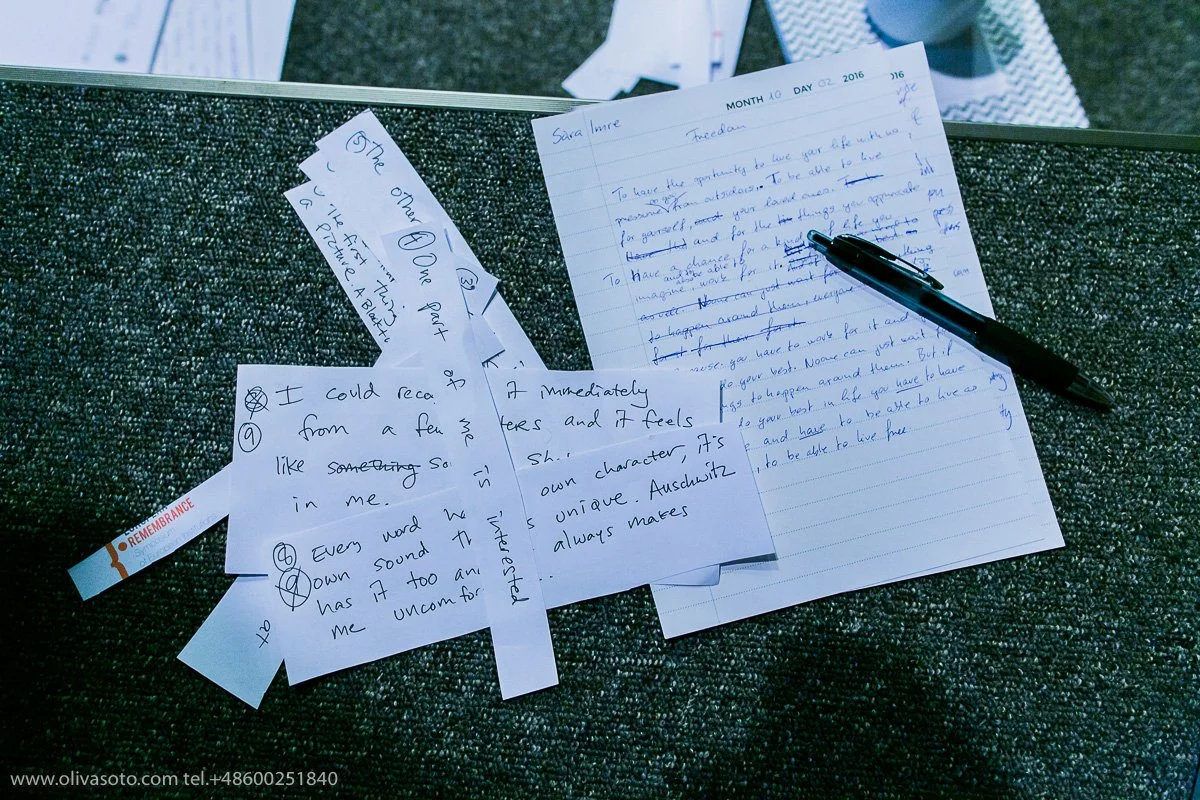
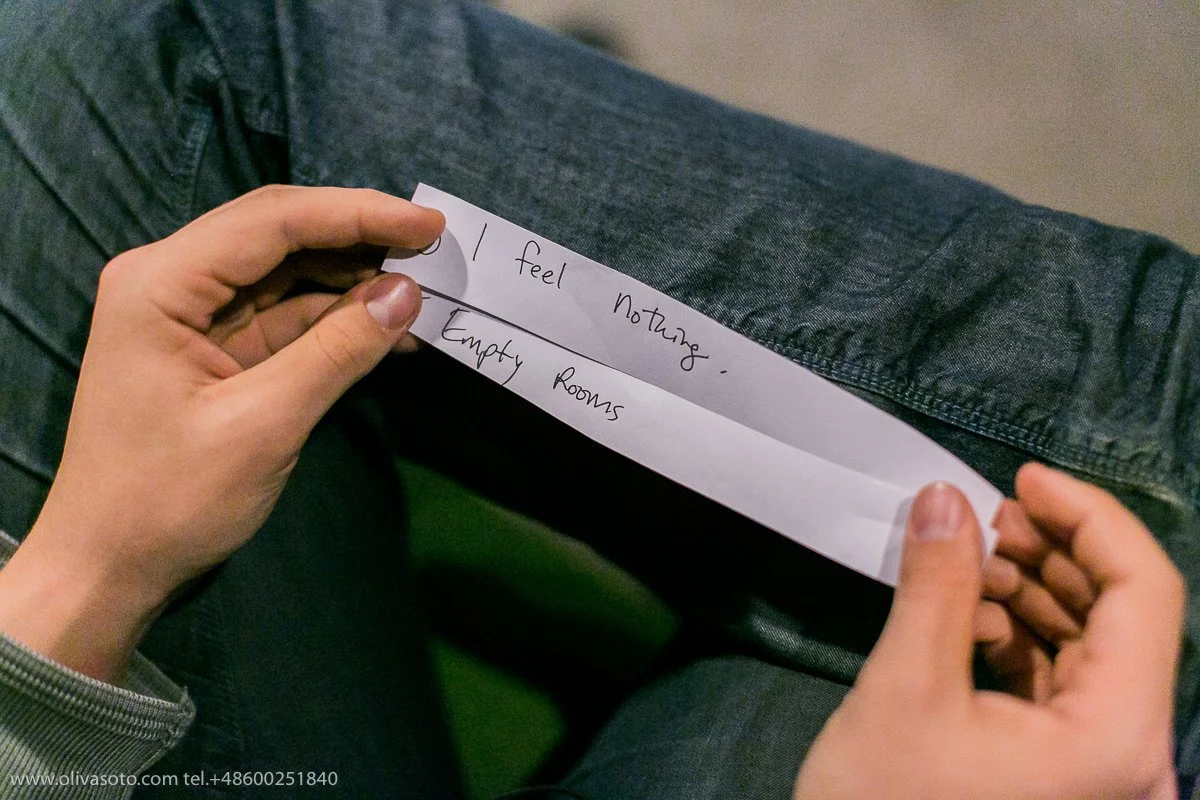
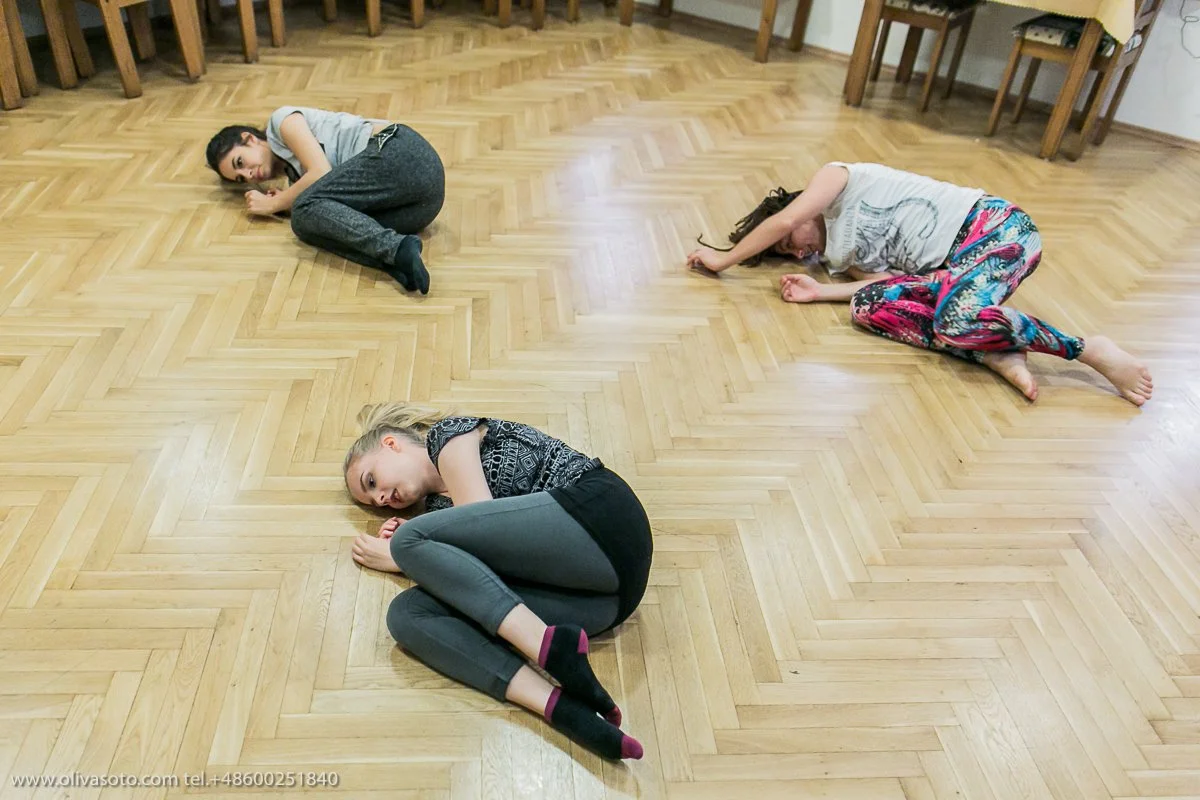
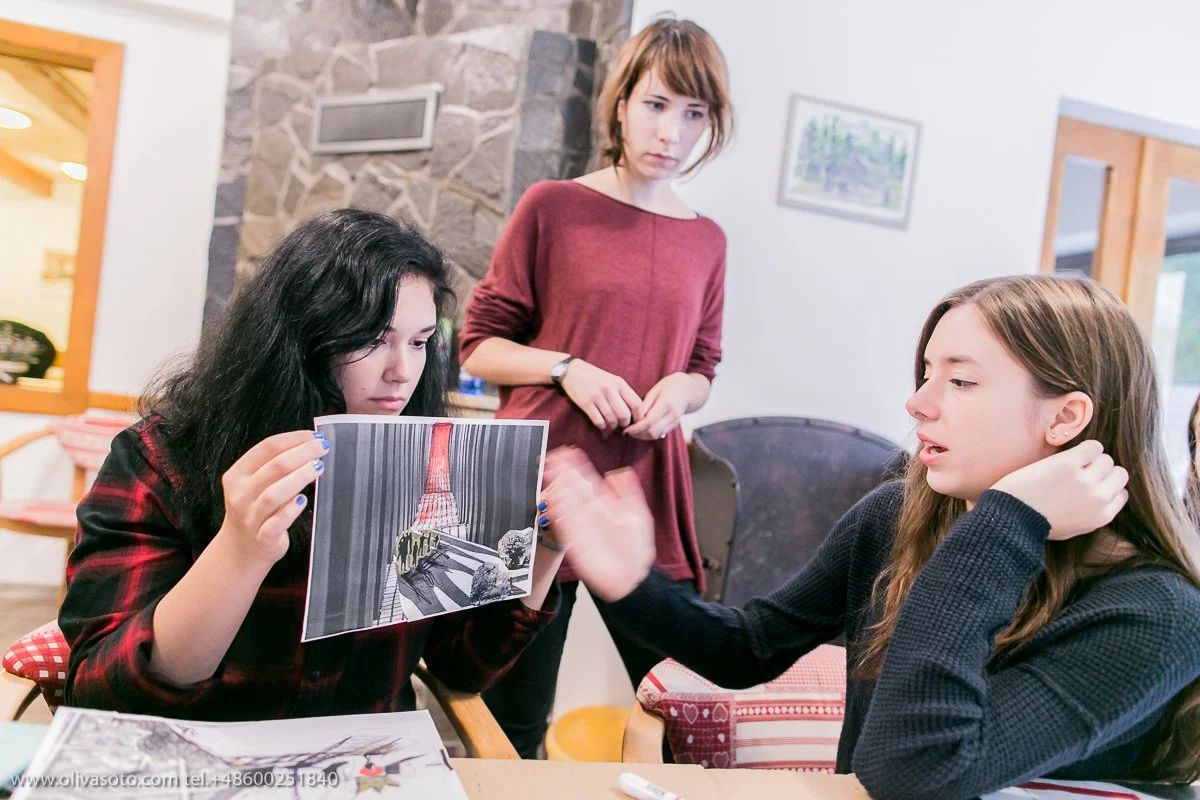
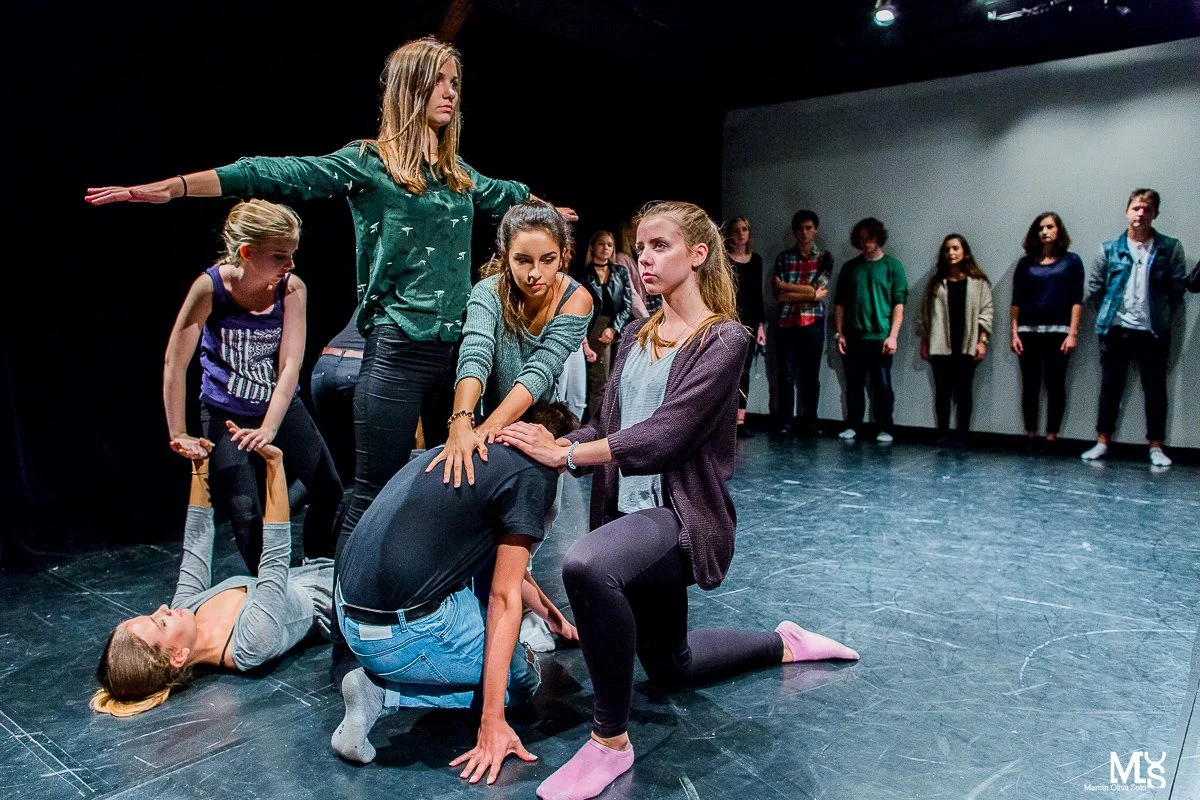
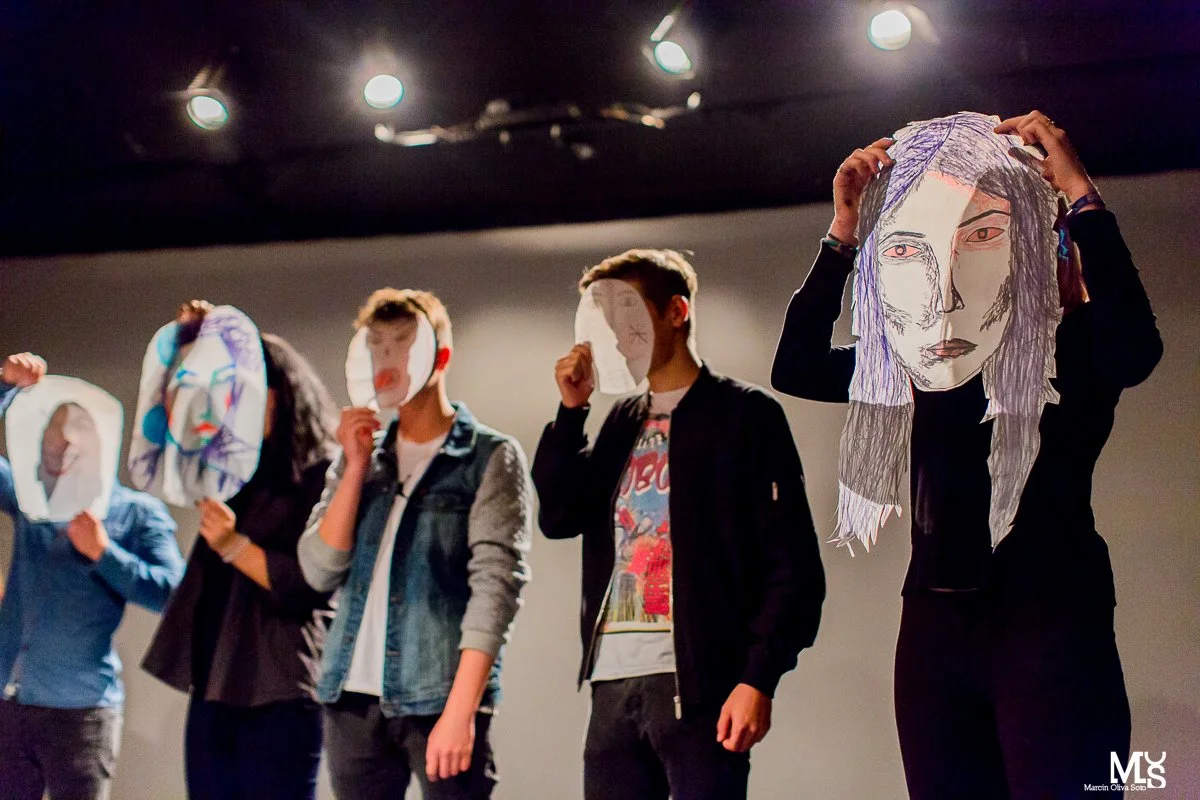
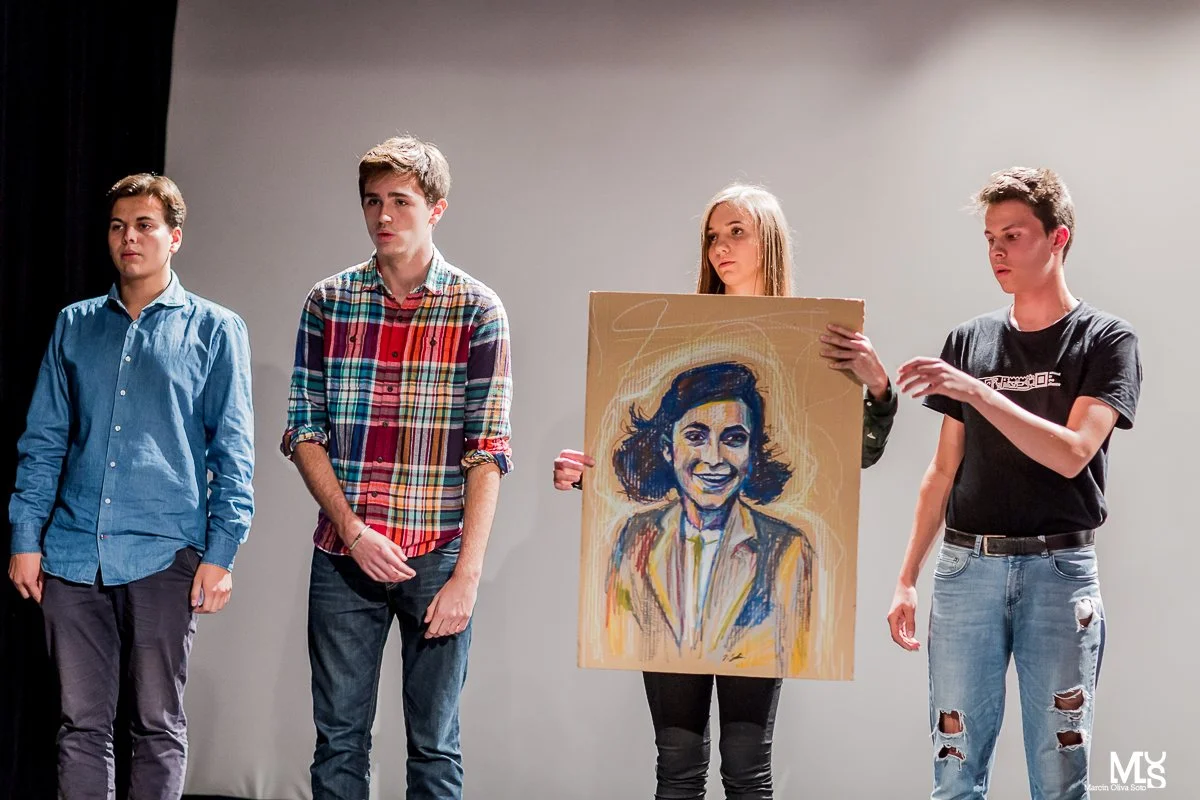
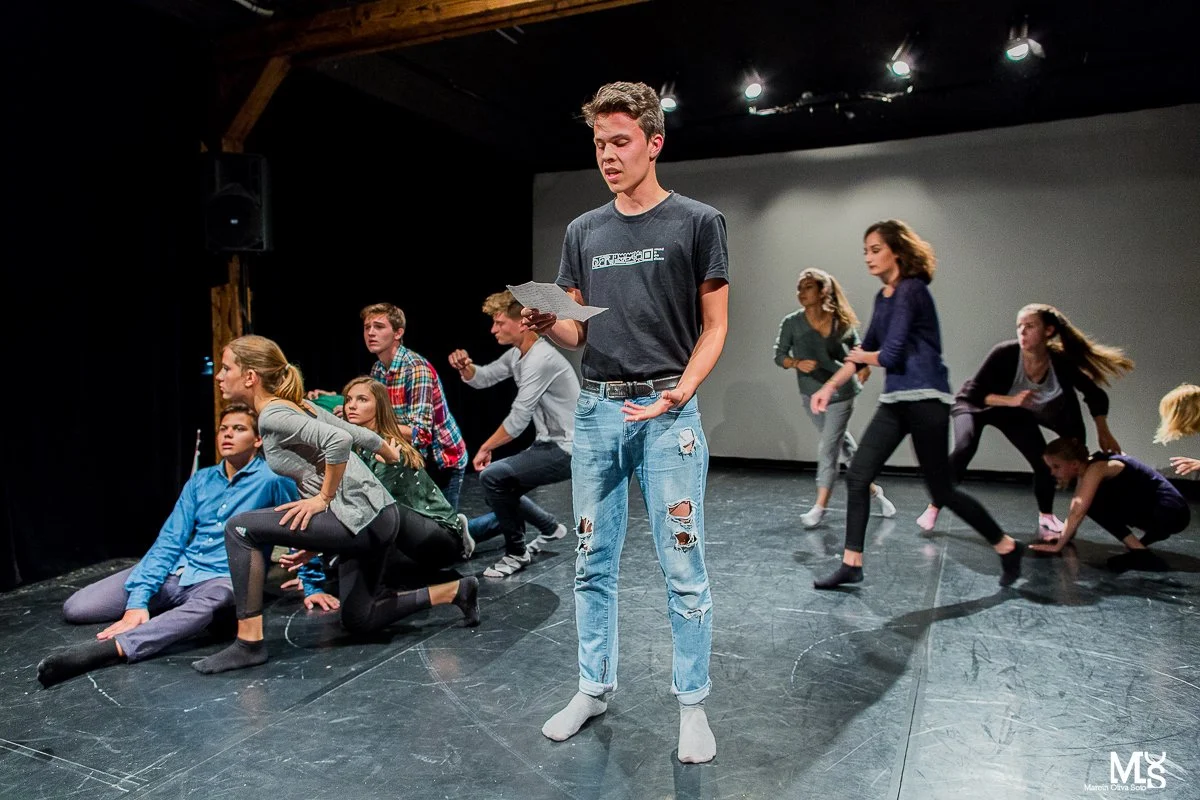
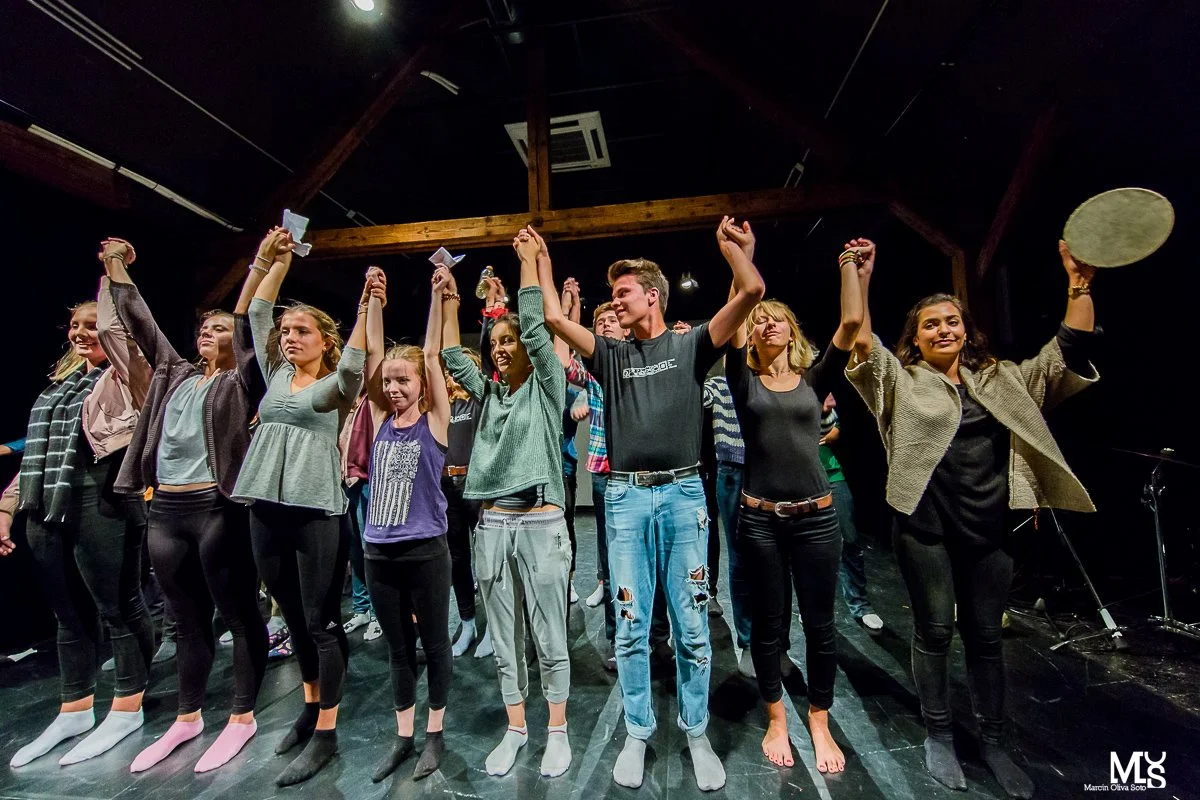
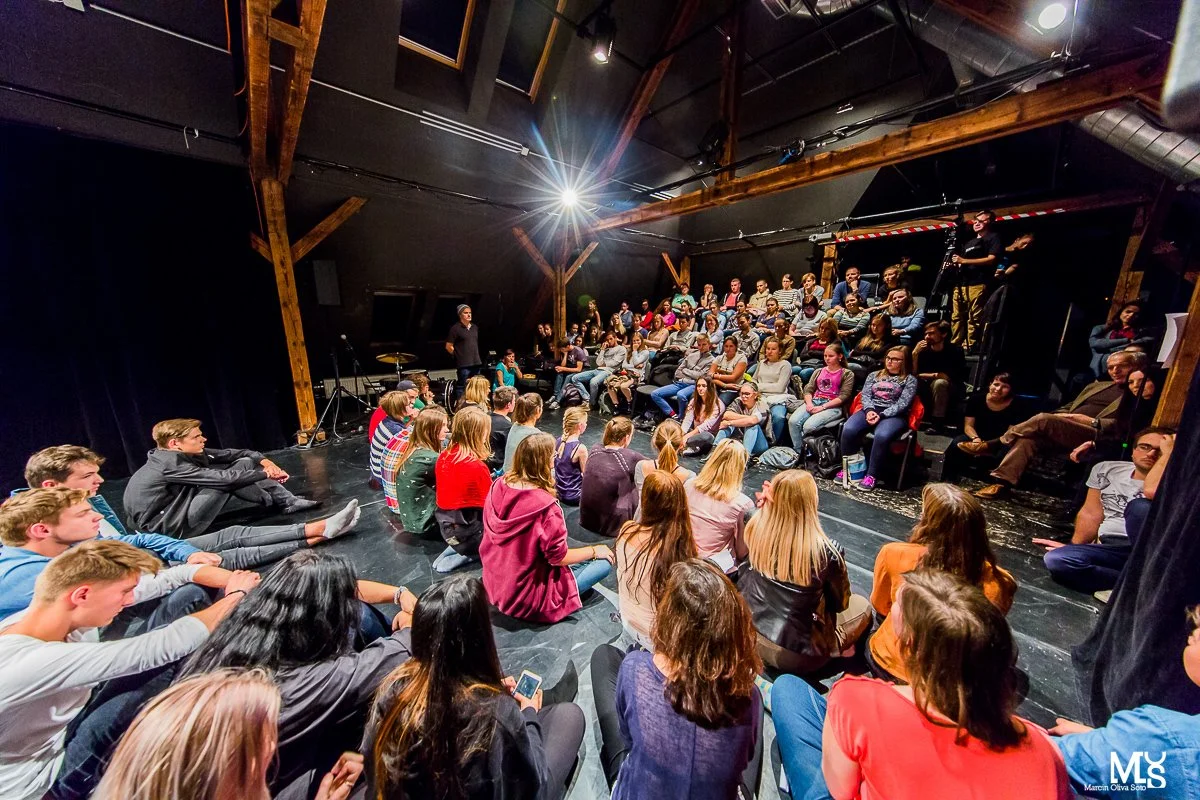
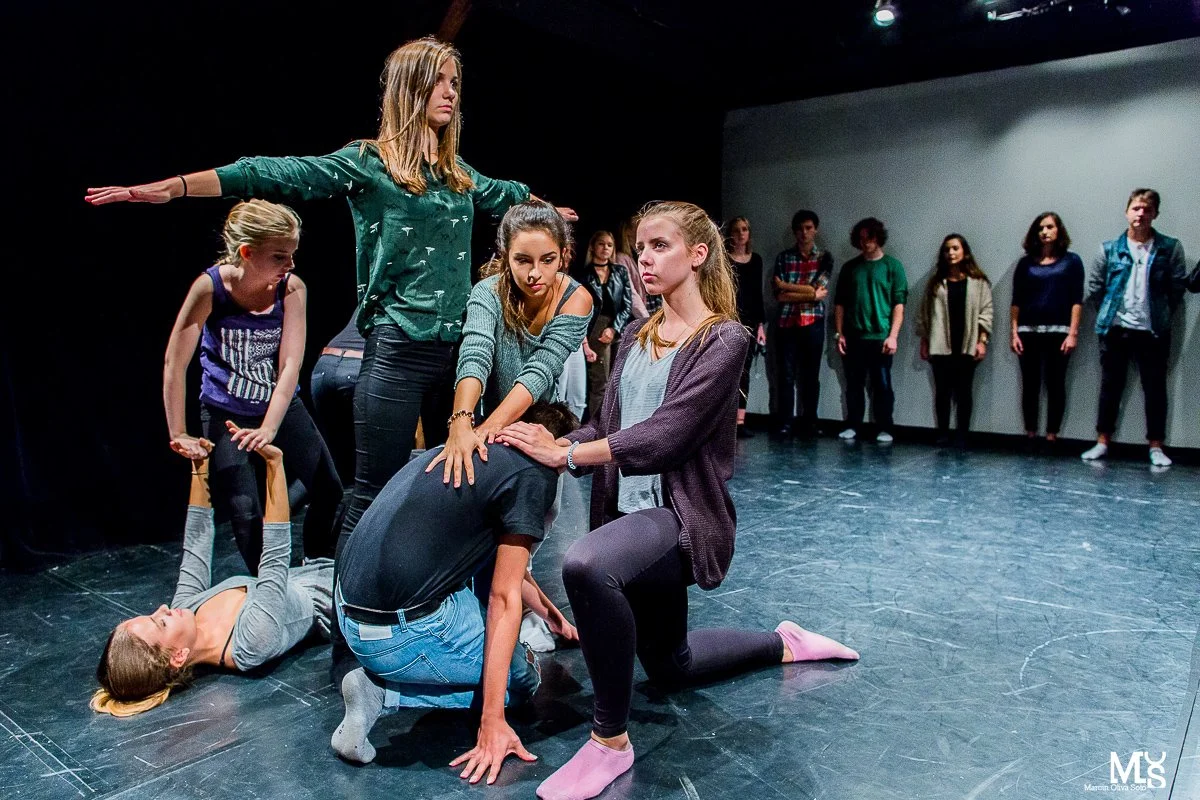
In September/October, high school students from Germany, Hungary, Poland, and Slovakia came together for a week-long journey through history, reflection, and creative expression. The group began with four days at the Auschwitz-Birkenau Memorial and Museum, where workshops explored the history of the camp and the extraordinary stories of resistance within it — including the underground network organized by Polish soldier Witold Pilecki, and the daring escape of Slovak Jews Rudolf Vrba and Alfred Wetzler, whose testimony became one of the first detailed accounts of Auschwitz to reach the outside world. From there, participants traveled to the Slovak mountains near Žilina, where they transformed their encounters with these histories into a collaborative performance, presented at the close of the week at Stanica, a cultural center in Žilina that sits at the heart of the region's educational and cultural life.
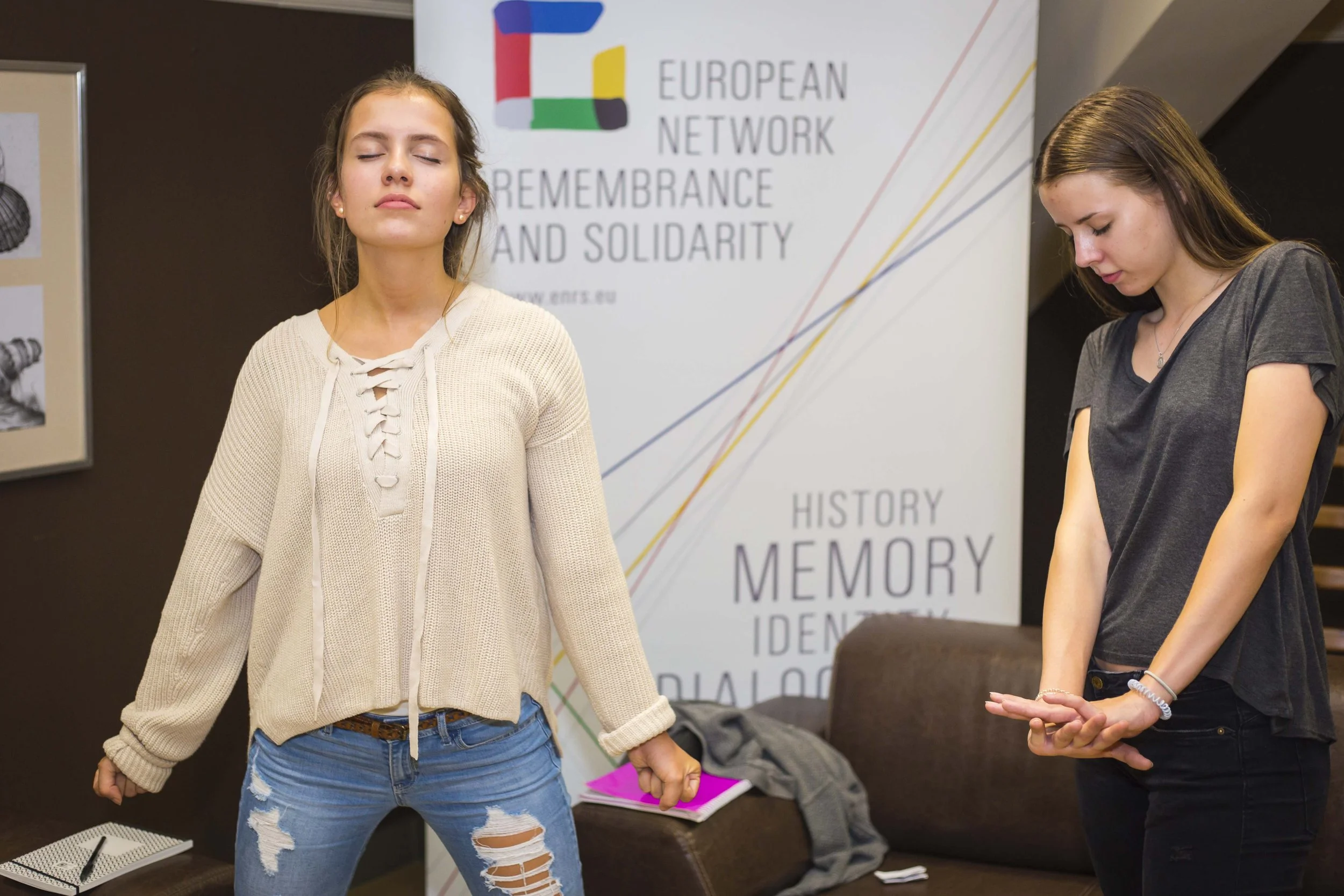
This edition's guiding theme was resistance — and what it means across time. Drawing on in-camp acts of defiance alongside postwar voices of survival, including the songs of the Holocaust Survivor Band, the poetry of Agnes Gergely, and Viktor Frankl's Man's Search for Meaning, participants were invited to sit with difficult questions: What does it mean to resist persecution? How does human dignity survive oppression? And what role might resistance — in all its forms — play in the world we inhabit today? Through workshop, reflection, and performance-making, students moved from historical encounters toward something personal: their own reckoning with these stories through their own creative response.
Can art be used to create new ways of remembrance?
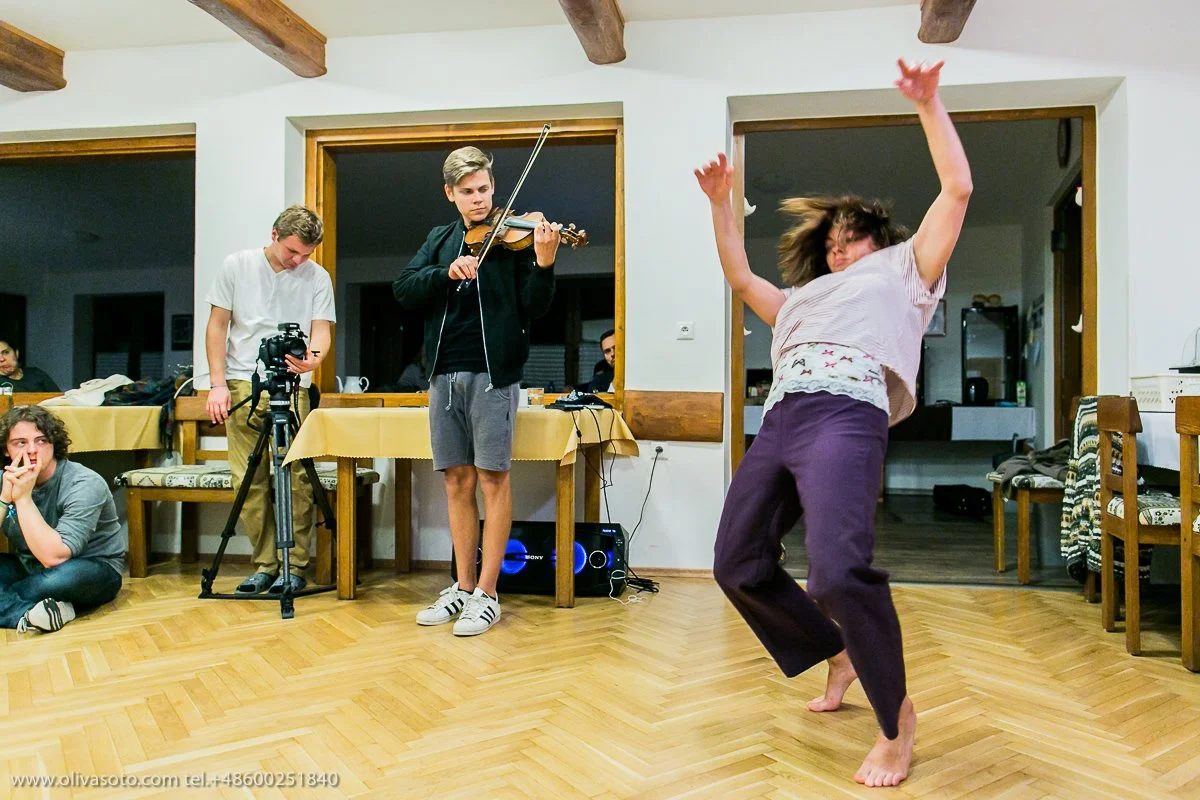
Sound in the Silence (2016) suggests an emphatic yes: by documenting the backstage emotions, interactions, inspirations and disagreements that shaped the final performance, this film shows how artistic process itself becomes a living form of memory. Following high school students and artists from five countries—through visits to Auschwitz-Birkenau, historical and creative workshops, and everyday rehearsals—the crew captures how personal stories, cross-cultural exchange, and embodied practice transform historical knowledge into collective reflection and acts of resistance.
Director Daniel Dluhy, sound recordist and mixer Samo Skubla, and assistant Juliana Gubisova trace how repetition, improvisation, and collaboration allow participants to reckon with trauma, reframe narratives, and invent commemorative forms that are both intimate and public. The documentary invites audiences to consider remembrance not merely as preservation of facts but as ongoing creative work that shapes how we understand and act upon the past.
The short documentary film received the Rose of Luther award at the 8th International Historical and Military Film Festival in Poland where it was recognized for its educational value and contribution to building understanding between different countries.