GDÁNSK/STUTTHOF
2015
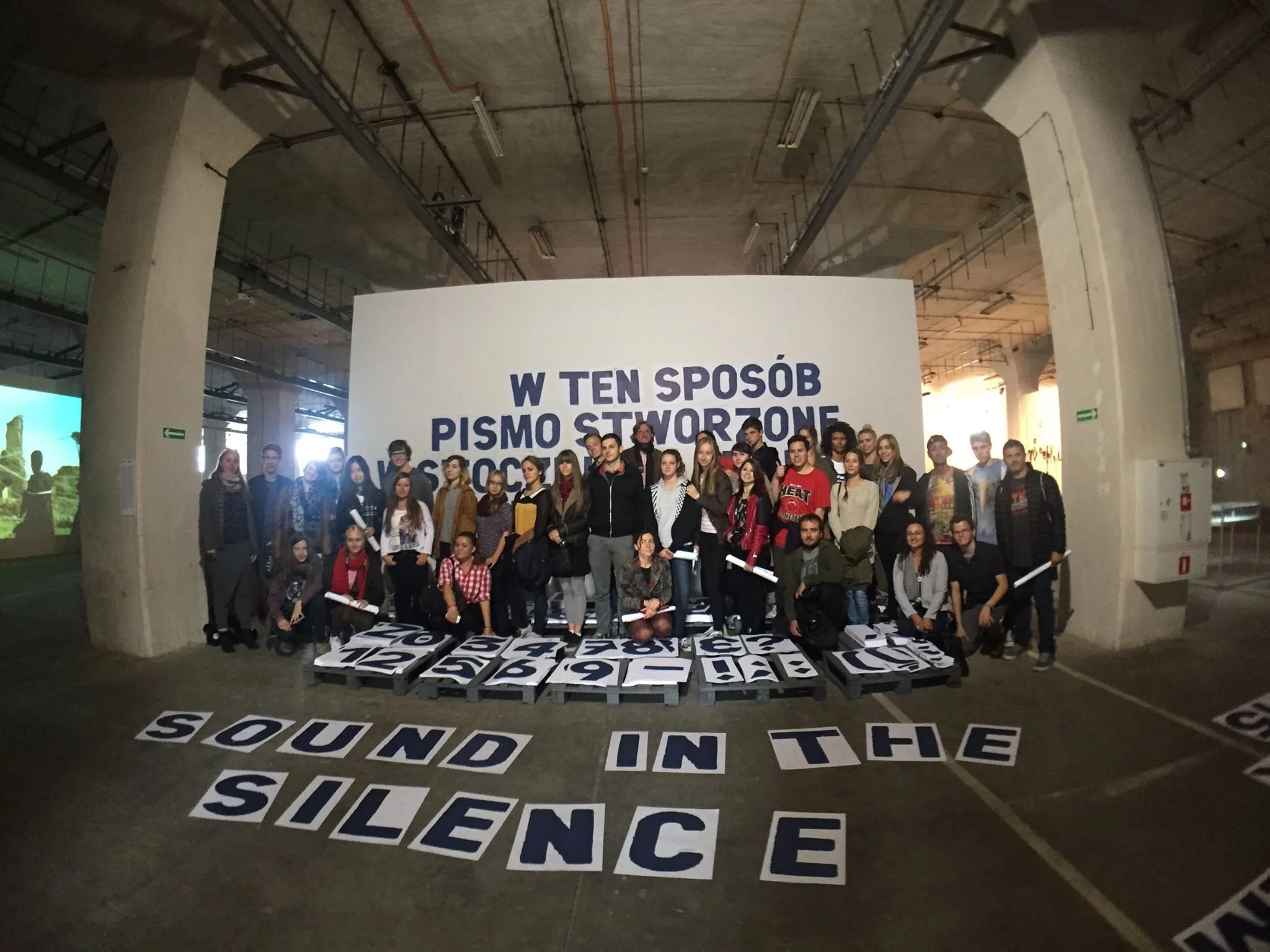
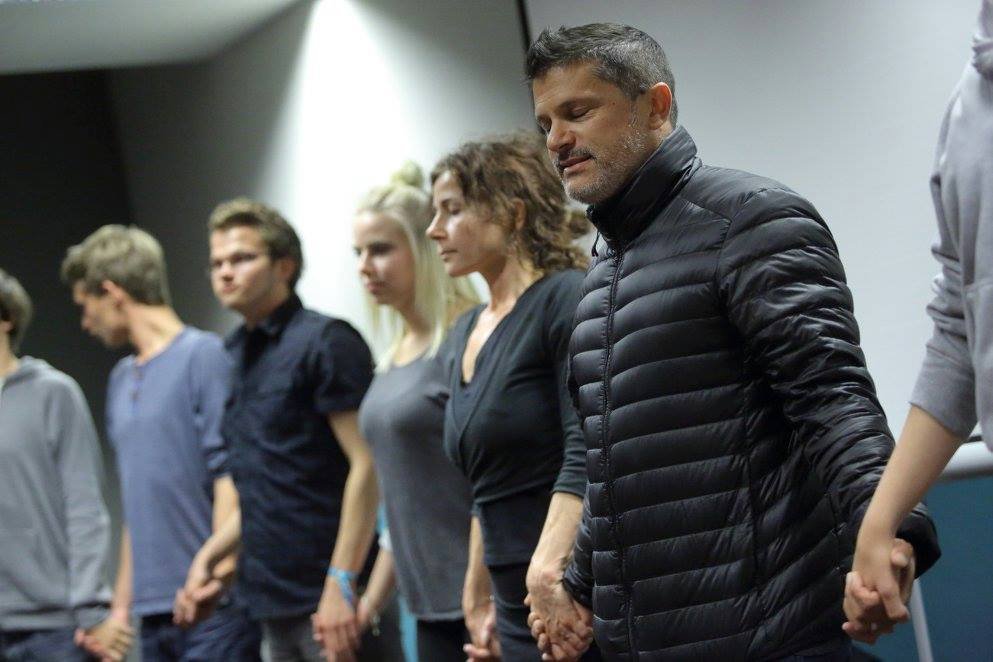
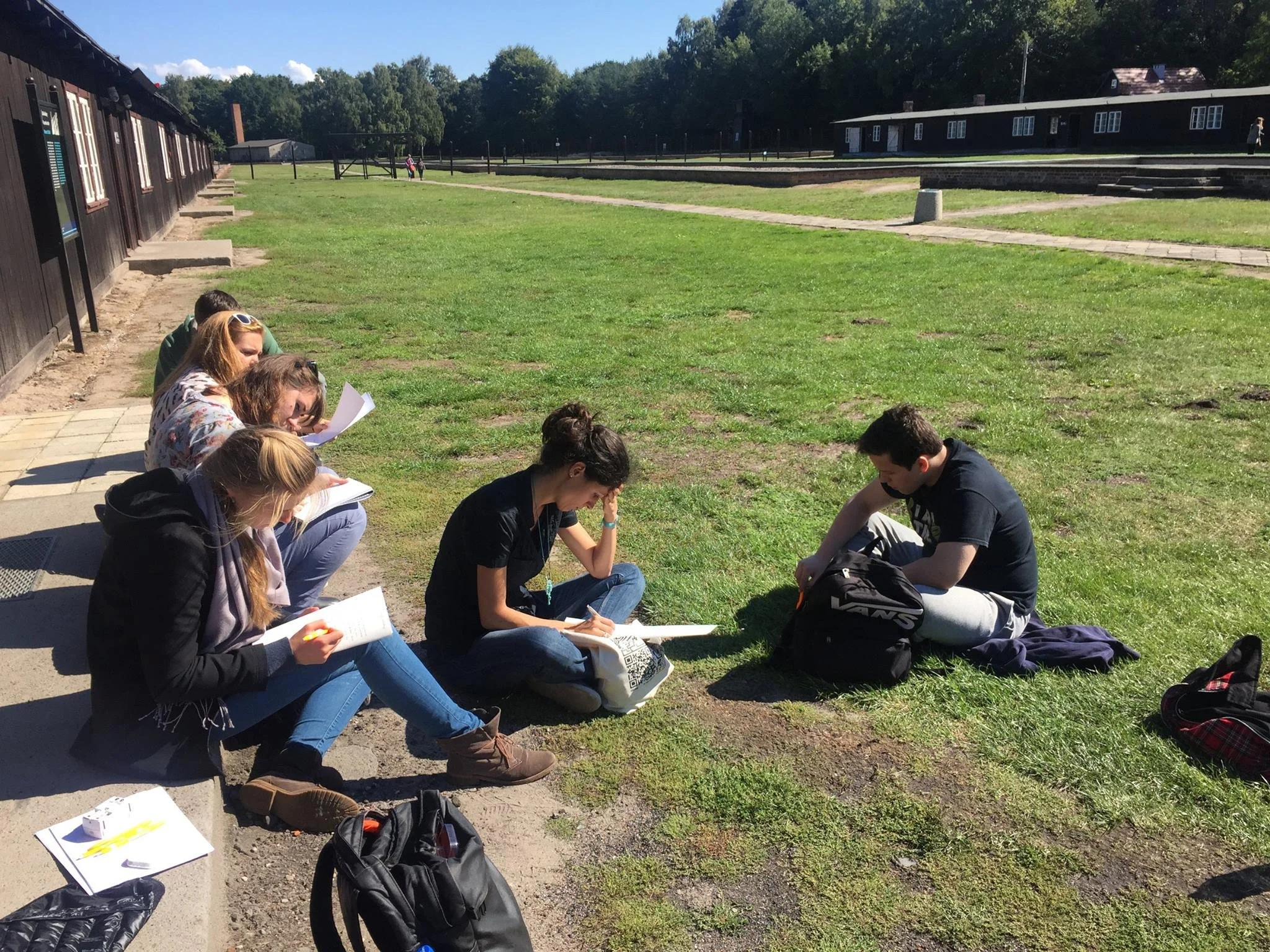
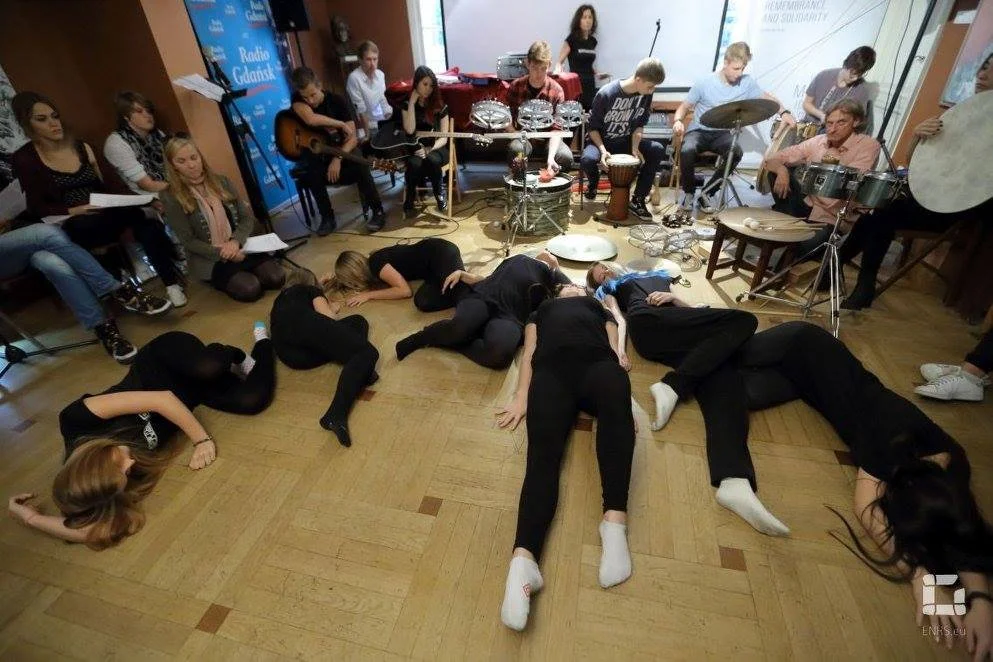
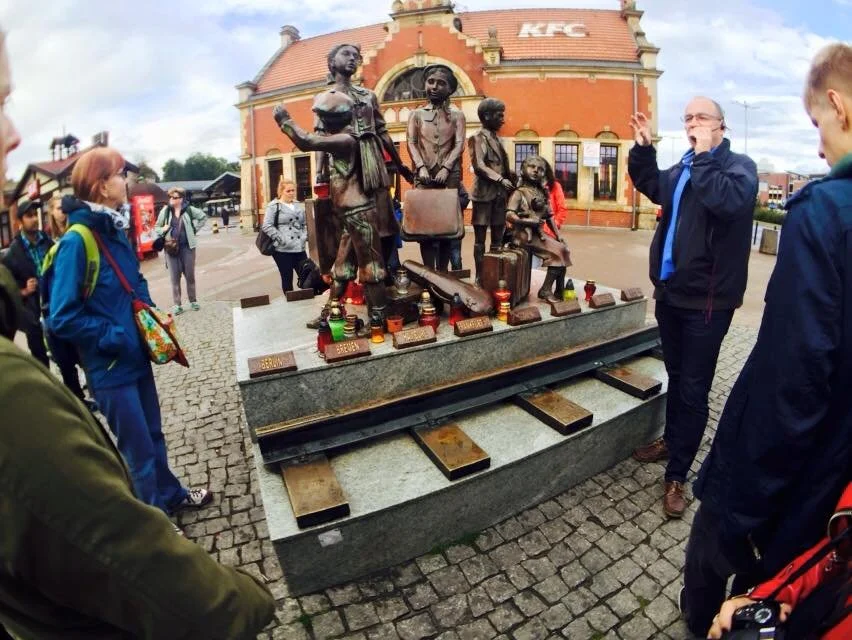
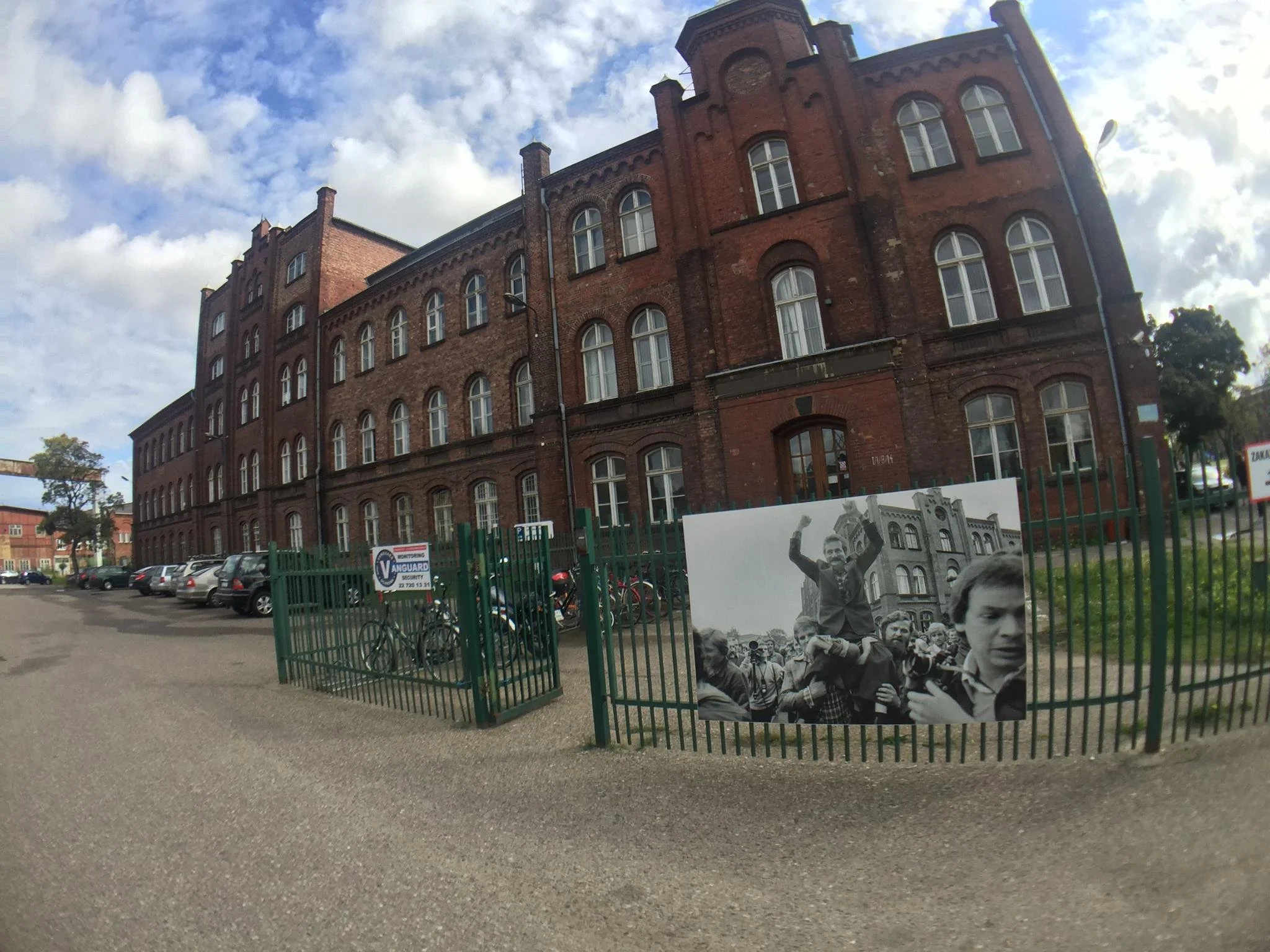
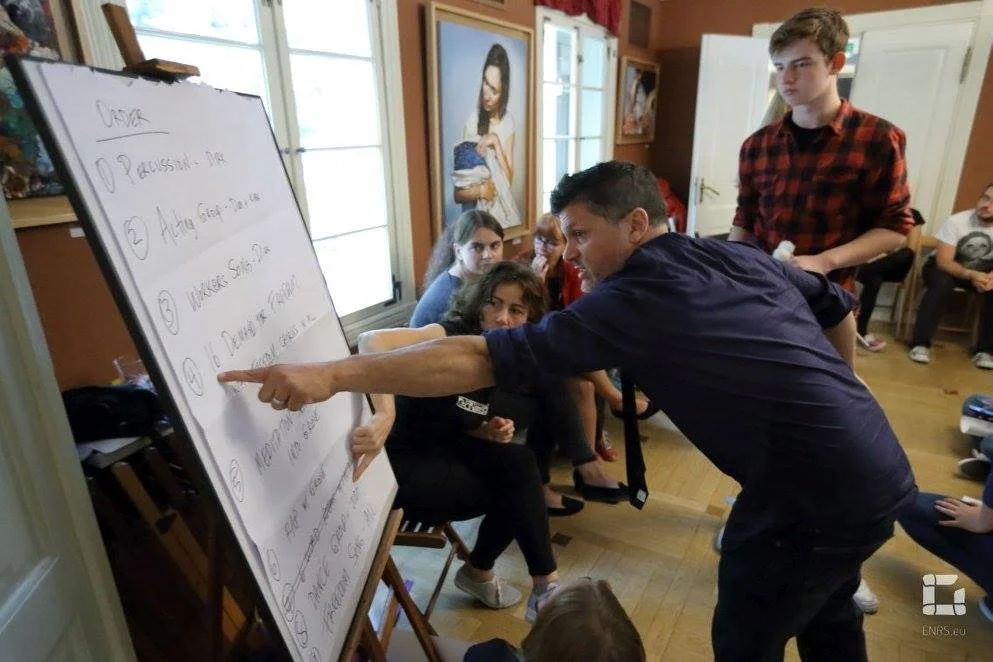
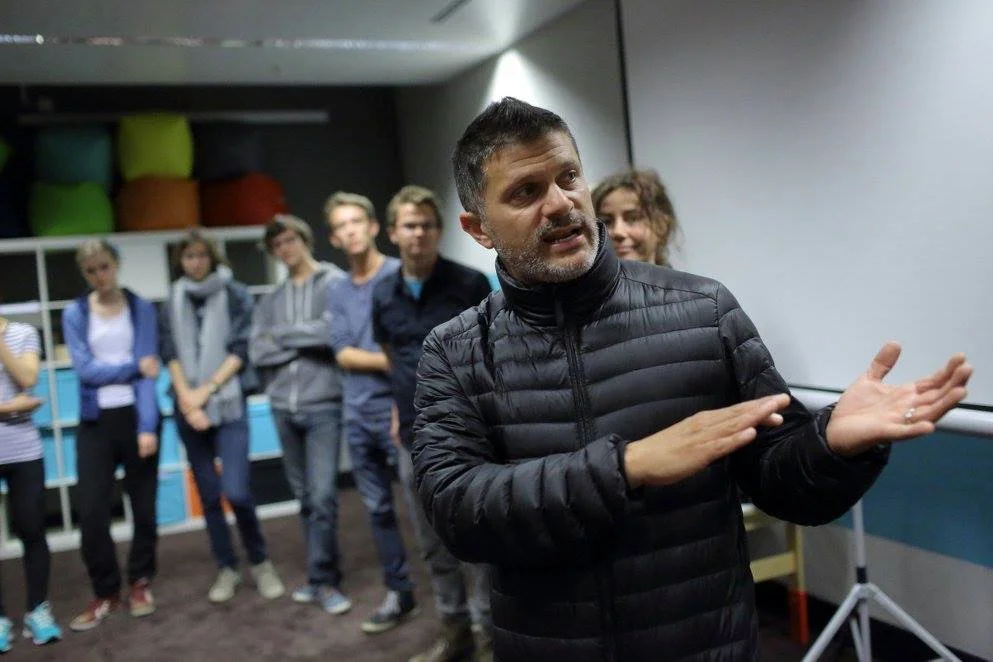
In September 2015 students from Germany, Poland, and Hungary met in Gdańsk to examine the region’s multicultural history, where over a thousand years of cultural and political change have left traces from seven different sovereign states and governing entities. Working with artists from Germany, Hungary, and the United States, the group studied the exact site where the Second World War began—the Nazi attack on the Westerplatte peninsula in the then-city of Danzig—and visited Stutthof, the former concentration camp located 35 kilometers east of Gdańsk, confronting the wartime legacy of the area. The program also explored Gdańsk’s role as the birthplace of the Solidarity movement and its central place in the political transformations that culminated in the 1989 fall of the Berlin Wall, linking local memory to broader European change.
Why Gdańsk?
A city at the crossroads of major commercial and communication routes. An extensive port and deep mercantile traditions. These features have made Gdańsk a meeting place of many cultures and nationalities — an active gateway between East and West where trade, ideas, and people have converged for centuries.
Gdańsk’s story is also one of resilience. The city was left nearly destroyed by war and the fierce fights that accompanied it. Its reconstruction, powered by committed citizens and painstaking restoration, took decades and restored both buildings and civic life. Those years of rebuilding forged a strong local identity rooted in craft, commerce, and community.
Gdańsk is also a city of historic struggle and political change. The tragic events of December 1970, the strikes of August 1980, and the repression of the martial law period are central episodes in the city’s modern memory. From the shipyards and the ranks of workers emerged Solidarność — Solidarity — a movement that began in Gdańsk and helped reshape the political map of Europe. That legacy of peaceful resistance and civic courage remains a defining part of the city’s character.
Today Gdańsk combines its layered past with a dynamic present: a rebuilt historic center, a working port, cultural institutions, universities, and an international community. It is a place where heritage and renewal sit side by side — a living example of how history, commerce, and civic action can intersect to produce a city both historically significant and vibrantly contemporary.
PARADOX OF FREEDOM
The concept for the song "Paradox of Freedom" originated during the 2015 Sound in the Silence project in Gdańsk, Poland, where Kijoka Junica’s singer-songwriter workshop developed music and lyrics on the theme of freedom—invoking the legacy of Solidarność, the Battle of Westerplatte, and the liberation of prisoners from the Stutthof concentration camp by the Russian Allies. In 2017, Dan Wolf and Kijoka Junica agreed to collaborate on further developing the concept, with Wolf framing the theme through a personal statement that also touches contemporary political events. For production they enlisted Ralf Petter, who directed, arranged, and recorded the song in his studio in early 2018 while Dan Wolf’s vocal part was captured at the Saul Fine Studio in the USA.
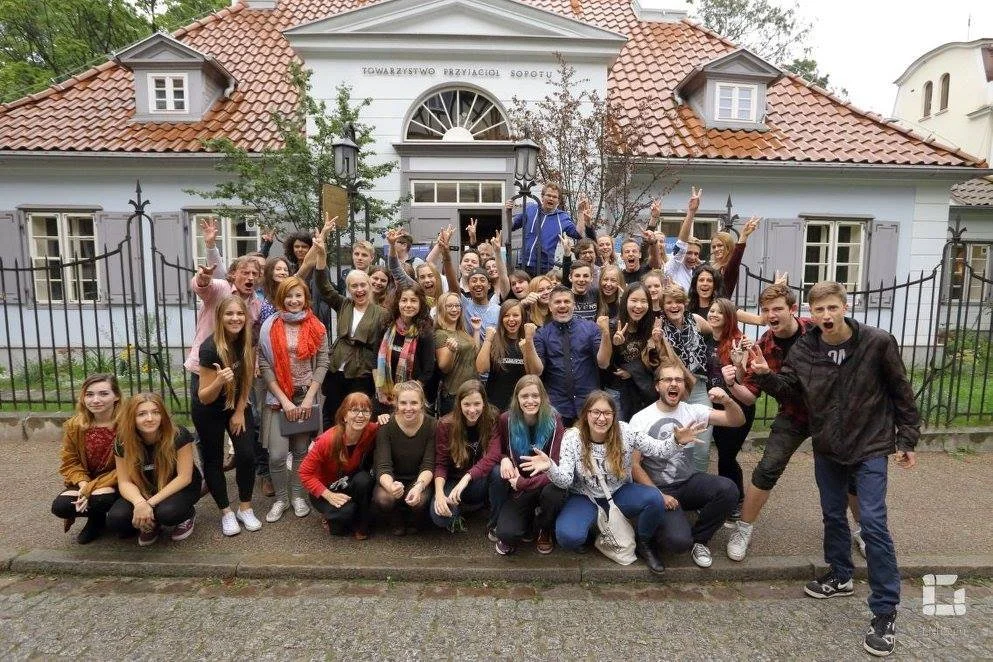
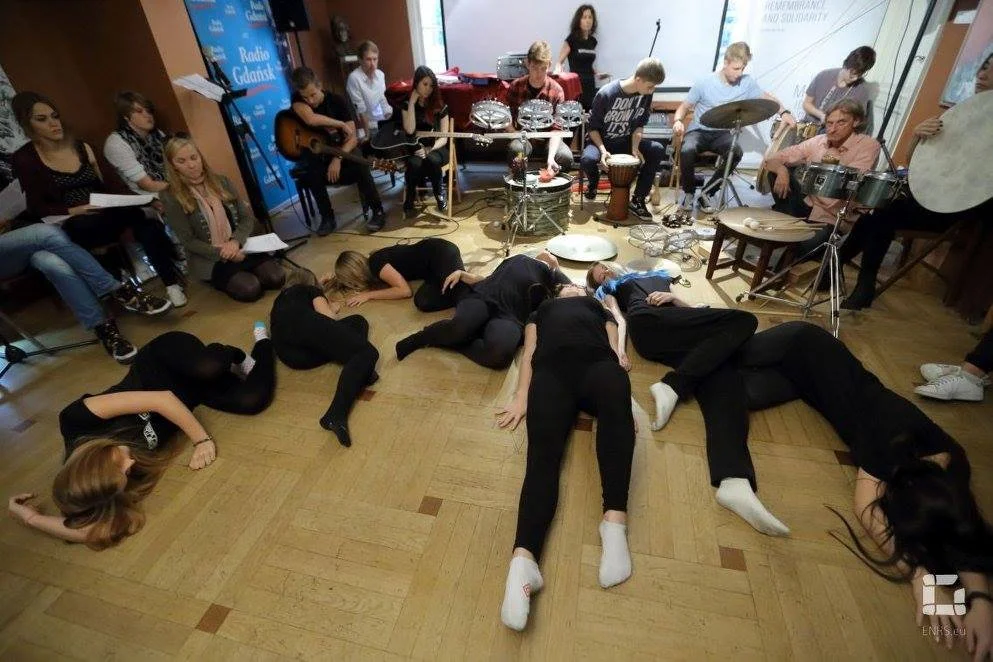
This photo was taken during the 2015 project phase with students in Gdańsk.
Dan Wolf (Hip-hop artist, Artistic Director since 2015) – lyrics/vocals; Kijoka Junica – lyrics/vocals/music; Ralf Petter – music/piano/programming/arrangement/mix and master; Dan Wolf’s vocals – recorded by Peter Fineberg at Saul Fine Studio (Berkeley, CA, USA).
"Borne Sulinowo" – A Documentary Film by Johannes Kubin
What do today’s youth have to say about the political past of their homeland? How do they confront and reinterpret cultural history through art?
The documentary Borne Sulinowo offers an intimate, video-diary-style look at the 2012 intercultural memory project Sound in the Silence. This powerful film captures the collaboration of students from Koszalin and Hamburg as they work alongside German and Polish artists to explore the layered history of Borne Sulinowo, Poland. Through workshops in dance, theater, music, and film, participants transform questions and insights about the past into evocative artistic expressions, culminating in a multimedia performance.
This project, led by MOTTE – Association for District-Related Cultural and Social Work, has since been repeated at historic sites around the world, continuing its mission to bridge history, culture, and art.
Learn more about the film and Johannes Kubin’s work at www.johanneskubin.de/film.